Heat Pump Defrost and Emergency Heat: What a Monroe Heating Repair Contractor Wants You to Know
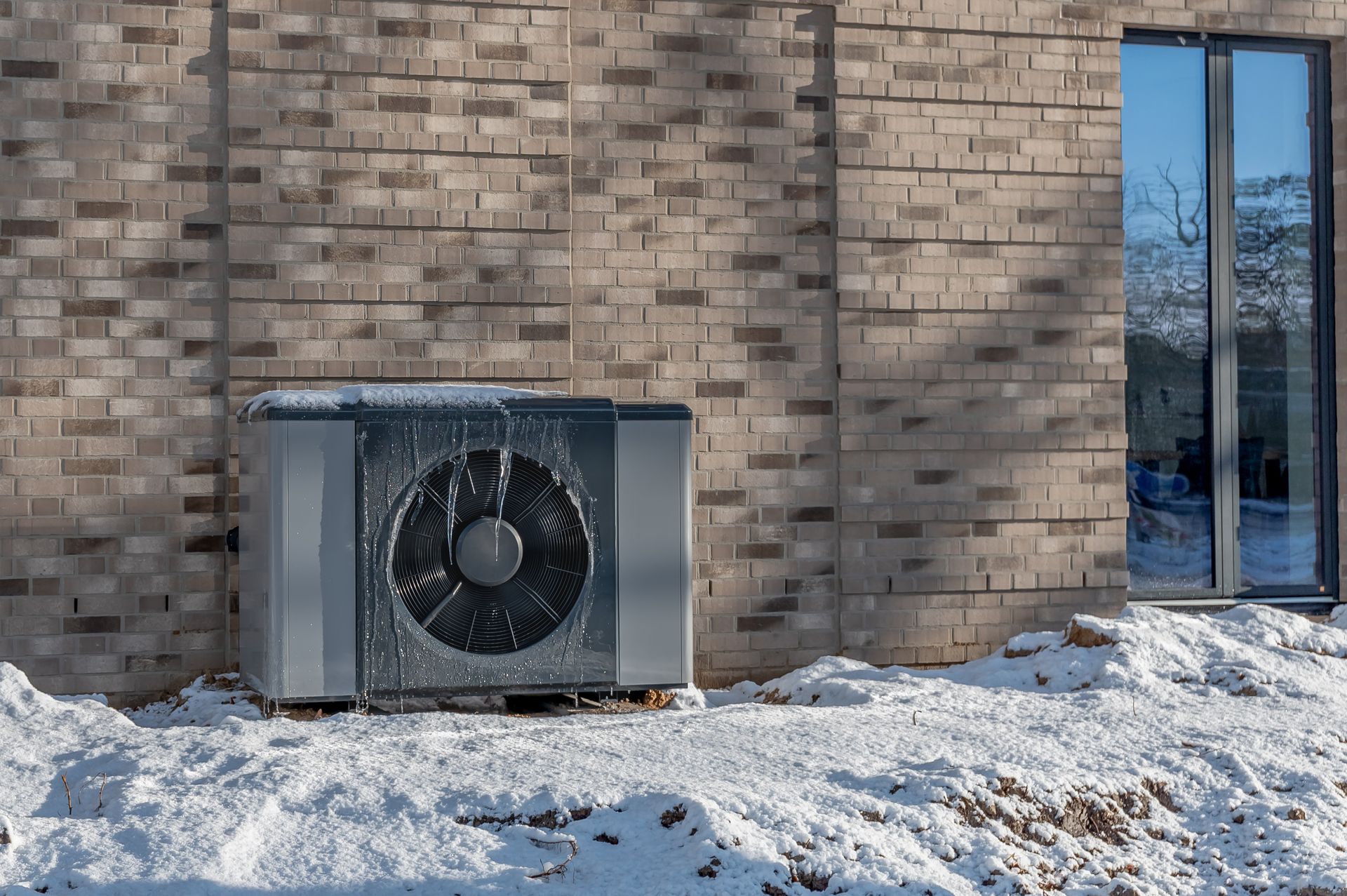
Many Monroe, NC, homeowners with heat pumps encounter confusing settings like "defrost" and "emergency heat." Knowing what each one means can help you avoid unnecessary service calls or costly oversights. This article explains how both features work and when each is normal. It also shows when to call a heating repair contractor in Monroe, NC.
How the Defrost Cycle Works on Your Heat Pump
The defrost cycle is a built-in process that keeps your heat pump running efficiently in cold weather. Heat pumps extract warmth from outdoor air and bring it inside. When outdoor temperatures drop, moisture in the air can freeze on the outdoor coil, reducing the system's ability to transfer heat.
To clear the frost, your heat pump briefly reverses its operation and sends warm refrigerant through the outdoor coil. This usually lasts 5 to 15 minutes. The outdoor fan may stop, and a little steam may rise from the unit. This is completely normal.
While the heat pump defrosts, your thermostat may automatically activate the backup heat strips inside your indoor unit to keep your home comfortable. You might see "defrost" or "aux heat" on your thermostat display. Neither signals a problem on its own.
What Does Normal Defrost Look Like?
Normal defrost cycles share a few recognizable characteristics:
- The outdoor unit runs briefly with the fan off before resuming normal operation.
- Light steam or vapor rises from the outdoor coil as frost melts.
- The cycle ends within 15 minutes and the system returns to heating mode.
- Your thermostat may briefly show "aux heat" while defrost runs.
If the outdoor unit stays covered in ice for more than an hour, that may signal a problem. The same goes for ice that builds up on top of the unit instead of just the coil fins. A qualified heating repair contractor can assess whether the defrost system itself needs attention.
What Is Emergency Heat on a Heat Pump?
Emergency heat is a backup mode that bypasses the heat pump entirely. This setting forces the system to rely solely on electric heat strips or a gas backup furnace. It does not use the outdoor unit at all.
This setting exists for situations where the heat pump itself has failed. Examples include a damaged outdoor unit, a refrigerant leak, or a compressor that stopped working. Switching to emergency heat keeps your home warm while you wait for repairs.
Emergency heat costs significantly more to operate than a normally functioning heat pump. Electric heat is far less efficient, and running it as a routine setting can noticeably increase your energy bills.
When Should You Use Emergency Heat?
Most Monroe, NC, homeowners should only activate emergency heat in limited situations:
- The outdoor unit is visibly damaged or making unusual noises.
- Your home is not receiving adequate warmth even though the heat pump appears to be running.
- A technician has told you the outdoor unit is out of service while awaiting a part or repair.
- Severe weather has caused a mechanical failure rather than just a temporary frost cycle.
Do not use emergency heat simply because temperatures are very cold. Heat pumps are designed to work in winter conditions. In Union County and the greater Monroe area, winter temperatures rarely drop low enough to warrant emergency heat as a standard measure.
Why Is My Heat Pump Blowing Cold Air?
Cold air from a heat pump is one of the most common homeowner concerns, and it often has a straightforward explanation. During a defrost cycle, the system may briefly push cooler air through your vents. This usually resolves within 10 to 15 minutes once defrost ends.
If cold air continues well beyond a defrost cycle, other causes may be at play. Common causes include:
- Low refrigerant.
- A stuck reversing valve, the part that switches between heating and cooling.
- A failing compressor.
- A dirty air filter that blocks airflow.
Check your filter first. Replace it if it has been more than 60 to 90 days since the last change.
Homes in the Brentwood and Unionville areas of Monroe, NC, often sit on larger lots with fewer trees to block the wind. Heat pumps there may work harder in winter. After cold snaps, check your unit visually to make sure ice is not accumulating beyond the coil fins. If problems persist, reaching out to a local heating repair contractor is the most reliable next step.
When to Call a Heating Repair Contractor in Monroe, NC
Some heat pump issues go beyond what a homeowner can troubleshoot alone. Consider scheduling a service visit if you notice any of the following:
- Ice on the outdoor unit that does not clear after 1 to 2 hours.
- The defrost cycle seems to run constantly without resolving.
- Your system stays in emergency heat mode even after the heat pump appears to be working.
- Unusual sounds like grinding, clicking, or loud banging from the outdoor unit.
- Your home cannot reach the set temperature even during mild winter days.
These signs may point to refrigerant issues, electrical faults, or mechanical failures that need professional attention.
Get Expert Heat Pump Help from a Trusted Local Team
If you still have questions about defrost or emergency heat, connect with a knowledgeable heating repair contractor who understands local conditions. Love Plumbing & Air Conditioning Co. has served Monroe, Indian Trail, and Waxhaw, NC, since 1963. We provide honest diagnostics and reliable repairs for heat pumps and all types of heating systems.
Call (704) 289-4528 or contact the team online to schedule a visit. You can also learn more about available heating repair services in Monroe, NC before you call. Find Love Plumbing & Air Conditioning Co. on Google to read local reviews and get directions.