
The Business Owner's Guide to Working With a Commercial Heating Contractor
May 28, 2026
Working with a commercial heating contractor the right way can protect your business from costly breakdowns and keep employees and customers comfortable year-round. For business owners in Indian Trail, NC, understanding what a heating contractor does and how to partner with one effectively may mean the difference between smooth winter operations and expensive emergency repairs. This guide covers the key things every business owner should know before, during, and after hiring a commercial heating professional.
How Commercial Heating Differs From Residential Systems
Commercial heating systems are larger and more complex than home systems. They often serve multiple zones, handle higher demand, and run for longer hours each day. Because of this added complexity, commercial heating work typically requires specialized equipment, advanced diagnostic tools, and technicians with commercial-specific training.Rooftop units, boilers, and large-scale heat pumps are common in commercial buildings. These systems may also tie into building automation controls and ventilation networks. A contractor experienced in commercial work will understand these connections and service them correctly.
What Does a Maintenance Plan Include?
A commercial maintenance plan typically includes scheduled inspections, filter changes, thermostat calibration, and safety checks. Regular service helps catch small issues before they become major failures. It may also extend system lifespan and support better energy efficiency, which can lower monthly utility costs for your business.During a maintenance visit, a technician will often inspect heat exchangers, check refrigerant levels if applicable, test electrical connections, and verify proper airflow. Keeping records of each visit may also help with warranty claims and compliance documentation.
Businesses serving Indian Trail, NC, that partner with a qualified commercial heating contractor often report fewer unexpected shutdowns and more predictable operating costs.
Why Safety and Compliance Matter for Commercial Buildings
Commercial heating systems must meet local building codes and safety standards. Failing to maintain them properly can create hazards like carbon monoxide leaks, fire risks, or poor indoor air quality. Routine inspections by a licensed contractor can help ensure your building stays within compliance requirements.Union County businesses may face specific inspection requirements tied to occupancy type and system size. A contractor familiar with North Carolina commercial codes can guide you through what applies to your facility. This is especially useful for offices, retail spaces, churches, and warehouses.
How to Choose the Right Contractor for Your Business
Choosing the right commercial heating contractor starts with verifying licensure and experience with commercial systems. Ask how long they have been serving commercial clients, what types of buildings they work in, and whether they offer maintenance agreements. A contractor with deep local roots will understand the climate patterns in Indian Trail and the demands they place on heating equipment.Key questions to ask before signing any agreement include:
- Do you have experience with my type of commercial system?
- Can you provide references from other local businesses?
- What does your maintenance plan cover, and how often will you visit?
- How quickly can you respond to an urgent heating issue?
- Are your technicians licensed and insured in North Carolina?
Ready to Work With a Commercial Heating Contractor in Indian Trail, NC?
Love Plumbing & Air Conditioning Co. has served Union County businesses since 1963, bringing decades of commercial heating experience to offices, churches, retailers, and warehouses across the region. Their team offers commercial heating system maintenance plans, installation, replacement, and fast response for urgent heating issues. If your business needs a trusted commercial heating contractor in Indian Trail, NC, reach out to their team today or explore their commercial HVAC services to learn more. You can also find them on Google at Love Plumbing & Air Conditioning Co. . Call (704) 289-4528 to schedule service.Need a plumber in Waxhaw, NC? Love Plumbing & Air Conditioning Co. offers trusted plumber service for homes and businesses. Call today.
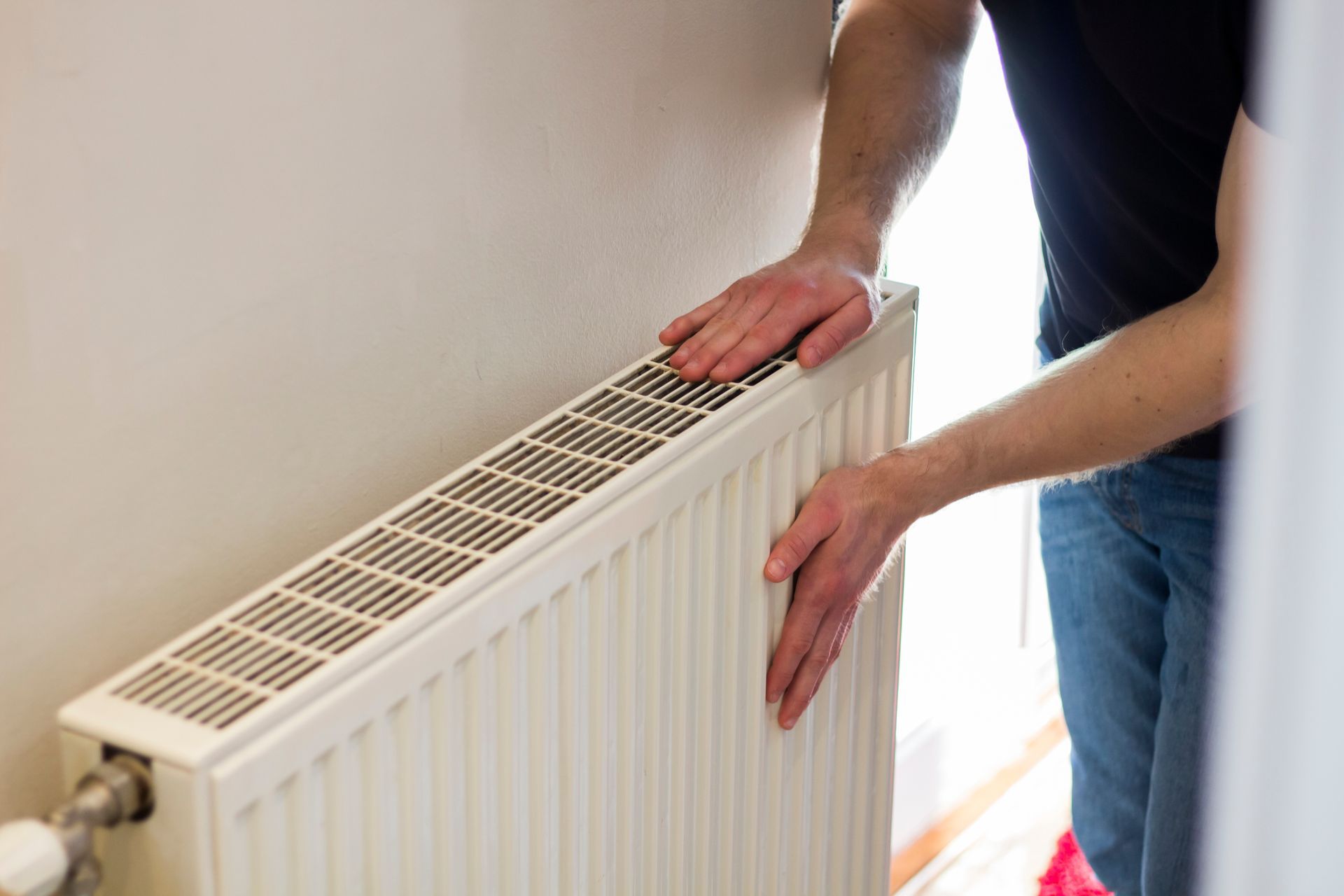
Improve home comfort with expert help from Love Plumbing & Air Conditioning Co., your residential heating contractor in Waxhaw, NC. Click here to learn more!
Discover the top signs you need professional plumbing services in Indian Trail, NC. Love Plumbing & Air Conditioning Co. explains how to identify when to call a plumber.
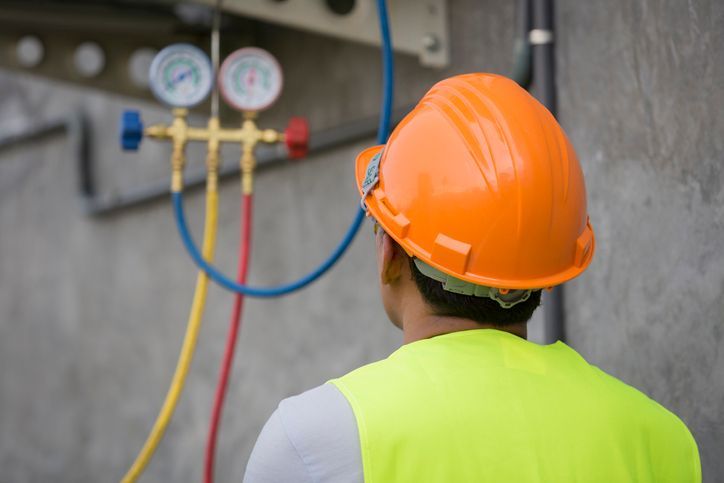
Looking for reliable air conditioning contractors in Monroe, NC? Learn how Love Plumbing & Air Conditioning Co. can keep your home cool and comfortable with expert AC services.


